Research Use Only

Your Comprehensive Peptide Research Resource

Peer-reviewed research, mechanisms of action, and educational content for 28 research peptides. Built for scientists, by scientists.

28 Peptides Research-Grade Library
Peer-Reviewed Citations PubMed-Sourced Data
98%+ Purity HPLC Verified
Third-Party Tested Independent COAs
US USA-Based Domestic Fulfillment

Top-Selling Research Peptides

Our most popular peptides — chosen by researchers worldwide for their extensive published literature and research applications.

BPC-157 research peptide

BPC-157

99%+ Purity

TB-500 research peptide

TB-500

99%+ Purity

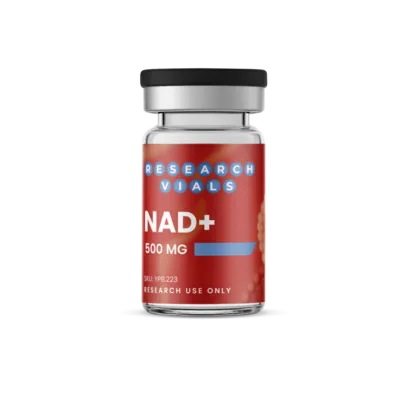
NAD+ research compound

NAD+

98%+ Purity

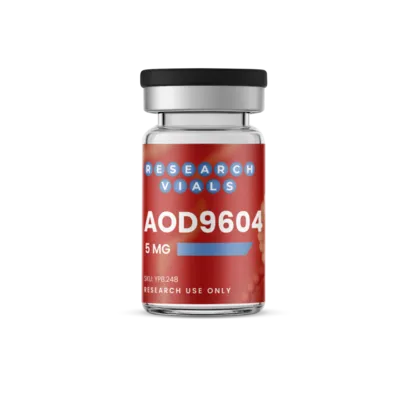
AOD-9604 research peptide

AOD-9604

98%+ Purity

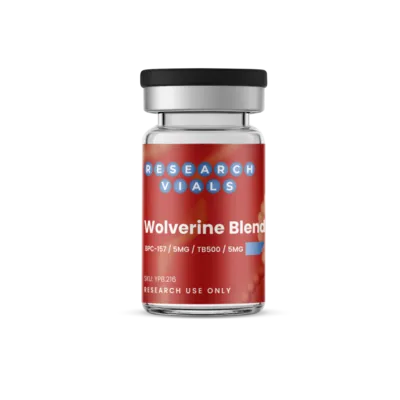
Wolverine Blend BPC-157 TB-500

Wolverine Blend

99%+ Purity

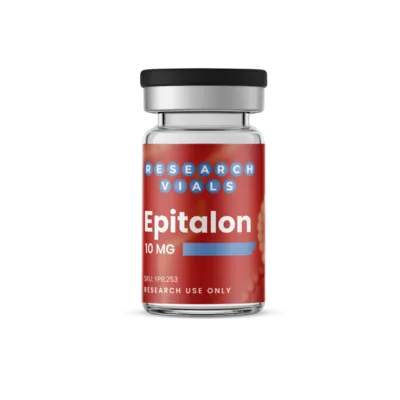
Epitalon research peptide

Epitalon

98%+ Purity

Featured Research

Deep-dive into some of the most actively studied peptides in laboratory science today.

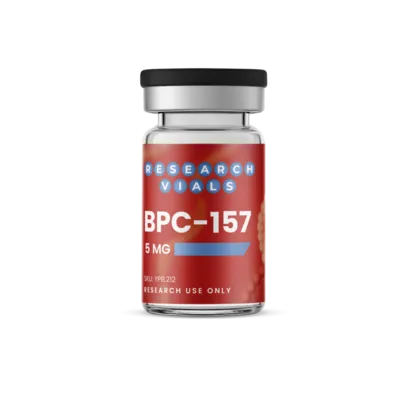
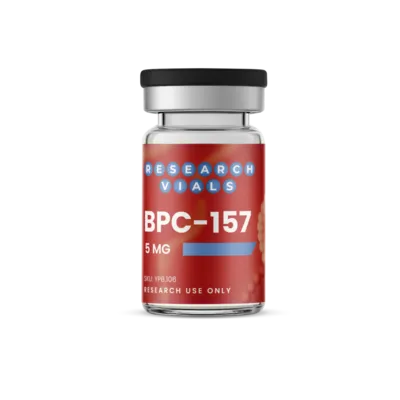
RUO BPC-157 5mg
Popular Peptides

BPC-157 5mg

A pentadecapeptide derived from gastric juice, extensively studied for its cytoprotective and wound-healing mechanisms in animal models.
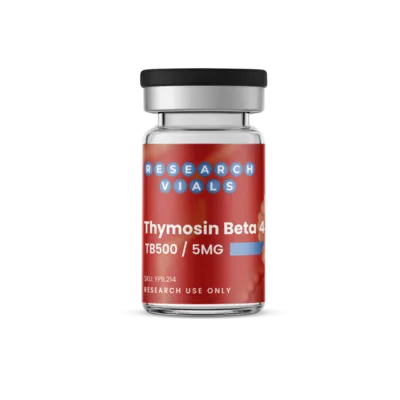
RUO TB500 10mg
Popular Peptides

TB500 10mg

A 43-amino acid fragment of thymosin beta-4 investigated for actin regulation, cell migration, and tissue repair signaling in preclinical studies.

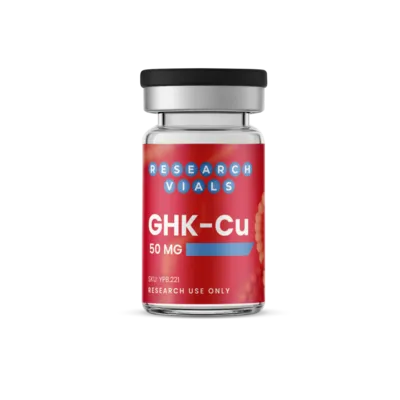
RUO GHK-Cu 50mg
Popular Peptides

GHK-Cu 50mg

A copper-binding tripeptide studied for collagen synthesis stimulation, antioxidant activity, and gene expression modulation across multiple tissue types.

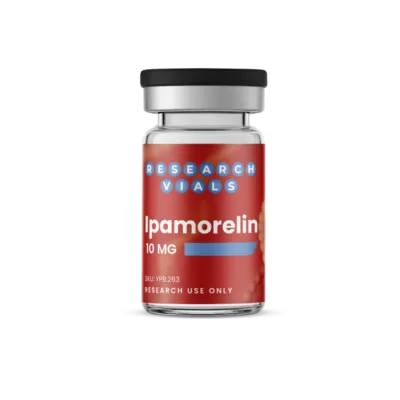
RUO Ipamorelin 10mg
Popular Peptides

Ipamorelin 10mg

A selective growth hormone secretagogue that binds the ghrelin receptor with high specificity, widely used in GH-axis research without cortisol or prolactin elevation.

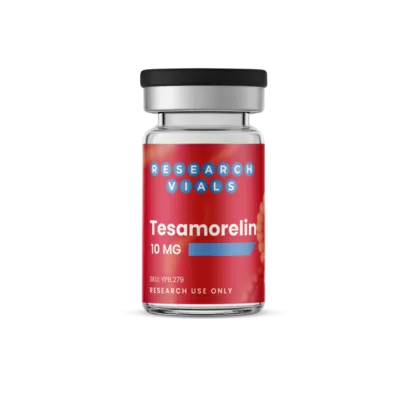
RUO Tesamorelin 10mg
Popular Peptides

Tesamorelin 10mg

Stabilized GHRH analogue studied for visceral adipose tissue reduction and pulsatile growth hormone release in research models.

Why Researchers Choose Systemic Peptides

We hold ourselves to the standards your research demands. Every peptide, every batch, every time.

Purity & Testing

Every peptide undergoes HPLC analysis and mass spectrometry verification. Independent third-party labs confirm identity and purity before any batch ships. We publish COAs because your experiments deserve transparent sourcing.

Expert Research Support

Our team includes researchers who actually read the literature. Whether you need reconstitution guidance, storage protocols, or help understanding a mechanism of action, we provide real answers grounded in published science.

Educational Resources

This site exists because we believe informed researchers produce better science. Every peptide page includes PubMed citations, mechanism breakdowns, and handling protocols -- not marketing fluff.

Frequently Asked Questions

Common questions about research peptides, purity standards, and how to get started.

Research peptides are short chains of amino acids -- typically between 2 and 50 residues -- synthesized specifically for laboratory investigation. They serve as precise tools for studying biological mechanisms like receptor binding kinetics, cellular signaling cascades, and enzyme interactions. Unlike pharmaceutical products, research peptides are not intended for human use; they exist to advance our understanding of biology at the molecular level.

When we say 98%+ purity, we mean that HPLC analysis confirms at least 98% of the lyophilized powder is the target peptide sequence. The remaining fraction consists of synthesis byproducts like truncated sequences or deletion peptides. This matters enormously for research because impurities can activate off-target pathways, confound dose-response curves, and make your results irreproducible. Mass spectrometry provides the second layer of verification, confirming molecular identity.

Lyophilized (freeze-dried) peptides are remarkably stable when stored correctly. Keep unopened vials at -20 degrees C for maximum shelf life. Once reconstituted with bacteriostatic water or another appropriate solvent, store at 2-8 degrees C and use within 30 days. The cardinal rules: avoid repeated freeze-thaw cycles, protect from direct light, and always use sterile technique when handling. We cover storage protocols in detail on each peptide's dedicated research page.

Third-party testing means an independent laboratory -- one with no financial relationship to the manufacturer -- verifies peptide identity, purity, and endotoxin levels. This eliminates the conflict of interest inherent in self-testing. The resulting Certificates of Analysis (COAs) give you verifiable, unbiased data about exactly what is in your vial. At Systemic Peptides, every batch comes with a publicly available COA from an accredited independent lab.

This site is our educational and research resource hub. All purchasing happens at , where you will find our full catalog of 28 research peptides, detailed specifications, COAs, and secure checkout. Every product page on this site includes a direct link to its corresponding store listing.

Ready to Explore?

Browse our complete peptide library or visit the store to place an order.

systemicpeptides.com

Educational and research resource hub. Peer-reviewed citations, mechanisms of action, handling protocols, and reconstitution guides for laboratory professionals.

systemicpeptides.com

Our product catalog and purchasing platform. Full inventory of 28 research peptides with detailed specifications, certificates of analysis, and secure checkout.